Thinking about living in the U.S. while commuting across the border? Blaine, Washington, is one of the few places where that idea can feel genuinely practical. If you want a smaller coastal city, easier access to border crossings, and a home base that supports both in-person and hybrid work, Blaine deserves a close look. Here’s what to know before you move, so you can choose the right area, plan your commute, and buy with confidence.
Why Blaine works for cross-border commuters
Blaine is a small border city with an outsized location advantage. The city is about 35 miles south of Vancouver, British Columbia, and 110 miles north of Seattle, which makes it very different from a typical small town in Washington.
Daily life here is shaped by the border. For commuters, that means your route planning, documents, and crossing habits matter just as much as your home search. If you work in Canada or cross often for business, Blaine puts you near both the Peace Arch and Pacific Highway crossings.
WSDOT notes that both crossings operate 24 hours a day, and live border wait times and cameras are available for both. U.S. Customs and Border Protection also lists NEXUS lanes at both crossings, which can be an important convenience if you qualify and cross regularly.
Border crossing basics to plan ahead
If you are relocating to Blaine for a cross-border lifestyle, your commute starts with preparation. Border travel is not something you want to leave to guesswork on a busy weekday morning.
CBP guidance says travelers entering the U.S. by land should have proper travel documents, such as a passport, passport card, Trusted Traveler card, or Enhanced Driver’s License. Canadian authorities also advise travelers to check both wait times and travel documents before heading to the border.
That means your home search should include more than square footage and finishes. You also want to think about your likely crossing point, your departure times, and how much schedule flexibility you need.
What your commute may really feel like
A Blaine address can make cross-border commuting easier, but it does not make it predictable every day. Border wait times can vary, so your real commute is often defined by timing and crossing conditions rather than simple mileage.
If you need to be somewhere at a fixed hour, it helps to build extra cushion into your routine. Many buyers who are considering Blaine benefit from testing the drive and crossing process at the times they would actually travel.
Why hybrid households may like Blaine
Blaine can also work well if only part of your week involves commuting. In the city, 92.7% of households have a computer and 92.1% have a broadband subscription, which supports the idea that Blaine can fit remote and hybrid work patterns.
That flexibility matters. If you only cross the border a few days a week, Blaine may offer a more balanced day-to-day lifestyle than living farther from the crossing while still keeping access to county and regional destinations.
Understanding Blaine’s housing market
Blaine is more owner-occupied than Whatcom County overall, which gives it a more settled residential feel. The city’s owner-occupied housing rate is 71.1%, compared with 63.7% countywide.
Home values and rents also come in below countywide figures in the latest Census profile. Blaine’s median owner-occupied home value is $549,600 versus $585,800 in Whatcom County, and median gross rent is $1,450 compared with $1,555 countywide.
That does not mean every home is inexpensive or that every area feels the same. It does suggest that Blaine can appeal to buyers who want a primarily residential small-town setting rather than a dense urban condo market.
What kinds of homes you’ll likely see
Blaine leans heavily toward detached housing. The city’s housing update says 69% of the Blaine urban growth area housing stock is detached single-family.
For you as a buyer, that can mean more options if you are looking for a standalone home, a yard, or a quieter street pattern. It also means neighborhood fit may come down less to high-rise inventory and more to location, utilities, and access to daily services.
Choosing the right part of Blaine
Not every part of Blaine supports the same lifestyle. If you are moving here as a cross-border commuter, it helps to match the area to how you want to live on weekdays, not just weekends.
Central Blaine for convenience
Central Blaine is the city’s largest and most diverse subarea. It includes a mix of single-family and multifamily housing, and many neighborhoods are within one mile of the K-12 school campus, public and private services, restaurants, and retail in the central business area.
If your priority is being close to everyday essentials, Central Blaine is the most service-concentrated part of town. That can be especially appealing if you want to keep errands simple on workdays or reduce the need for extra driving.
West Blaine for a resort-style setting
West Blaine is dominated by Semiahmoo, a planned resort community across Drayton Harbor. The city describes it as an area with private single-family and multifamily developments.
For some buyers, this area may suit a more destination-style residential feel. If your move is as much about lifestyle as commute logistics, West Blaine may stand out for its setting and waterfront-oriented atmosphere.
East Blaine for future growth
East Blaine is more of a growth area, with substantial vacant residential land and active subdivision planning. This can be attractive if you are interested in newer housing opportunities or areas with room to evolve.
But this is also where due diligence becomes especially important. The city notes that while water is available along major roads in the urban growth area, sewer service is not available in most of that area.
Utility checks matter more than you think
For cross-border commuters, time is valuable. The last thing you want is to fall in love with a home and later discover a utility limitation that affects your plans or costs.
In East Blaine and much of the UGA, sewer availability is a key item to verify early. Parcel-level utility research should be part of your process from the start, especially if you are considering land, new subdivisions, or homes outside the more established central grid.
What daily life looks like in Blaine
A relocation decision is about more than the commute. You also want to know whether the city works well on ordinary Tuesdays, not just on sunny weekends.
Blaine’s population was estimated at 6,371 in 2024, so this is a compact place. That smaller scale can be a plus if you want a more manageable pace and a community where many services are close at hand.
The age mix is also broader than some buyers expect. According to Census data, 21.0% of residents are under 18 and 26.2% are 65 or older, which points to a mixed-age community rather than one centered on a single life stage.
Schools and library access
Blaine School District says it serves Blaine, Birch Bay, and Point Roberts, with primary, elementary, middle, and high schools co-located on one campus. For buyers who value a compact public-services footprint, that setup may be useful to know.
The Blaine Library is another meaningful local resource. The Whatcom County Library System says the branch draws about 100,000 visitors a year, signs up more than 700 new cardholders, and circulates about 150,000 items annually.
Transit and regional access
Most cross-border commuting from Blaine is still car-based, but public transit exists for county travel. WTA says fixed routes serve Blaine and Birch Bay seven days a week, and Route 75 connects Blaine and Birch Bay via Ferndale Station to Bellingham Station.
Birch Bay Square Park & Ride is also served by Route 75. Even if you drive most days, transit access can still be a practical bonus for regional errands, backup transportation, or households with different commuting patterns.
Healthcare planning
For major healthcare needs, Blaine relies on Bellingham. PeaceHealth says St. Joseph Medical Center in Bellingham is the area’s sole community hospital and a Level II trauma center.
That does not make Blaine inconvenient to live in, but it is an important planning point. If access to major medical services is high on your list, you should factor in the Bellingham connection as part of your decision.
Recreation adds real lifestyle value
One reason Blaine stands out is that it does not feel like just a border stop. It offers a waterfront setting and a range of outdoor amenities that can make your off-hours feel very different from your workdays.
The city highlights amenities such as the community center and senior center, Dakota Creek Kayak Launch Park, Marine Park, Peace Arch State Park, and Semiahmoo County Park. These places support everything from walking and shoreline time to paddling and casual outdoor recreation.
The Port of Bellingham says Blaine Harbor includes 629 slips, a public boat launch, visitor moorage, showers, laundry, and waterfront trails into historic downtown Blaine. If you enjoy being near the water, that is a meaningful part of daily life here.
Nearby state parks add even more weekend options. Peace Arch Historical State Park offers day-use access for walking and bird-watching, while Birch Bay State Park includes beach exploration, camping, biking, kayaking, and paddleboarding.
Smart buyer tips before you relocate
Relocating to Blaine as a cross-border commuter usually goes better when you focus on a few practical details early. This is where a calm, organized home search can save you time and stress.
Here are some of the most important things to check:
- Test your likely commute at real travel times
- Confirm which border crossing you expect to use most often
- Review your travel documents before the move
- Watch border wait times regularly as part of your planning
- Verify sewer and water availability for any home outside established service areas
- Compare neighborhood convenience with your day-to-day routine
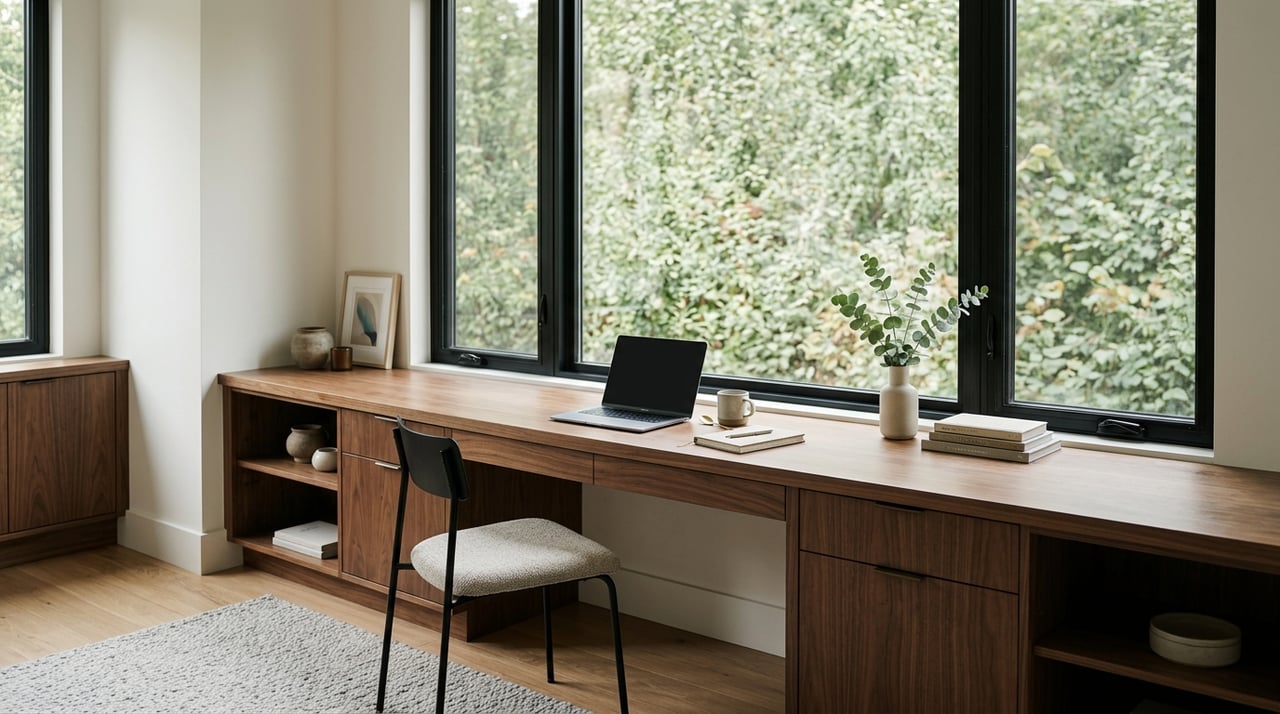
- Think about whether you need a home that supports hybrid work
Is Blaine the right fit for you?
Blaine can be a strong match if you want a smaller city, close access to the border, and a housing market that leans residential rather than urban high-density. It can also work well if your household mixes cross-border travel with remote work, or if you want a waterfront setting with practical everyday amenities.
The key is to look at Blaine through both a lifestyle lens and a logistics lens. The right home here is not just the one that looks good online. It is the one that supports your commute, your document requirements, your utility needs, and the way you want to live each day.
If you’re planning a move to Blaine and want clear, local guidance on neighborhoods, commute considerations, and the buying process, Donita Dickinson offers thoughtful relocation support with a calm, tailored approach.
FAQs
What makes Blaine, WA appealing for cross-border commuters?
- Blaine offers close access to the Peace Arch and Pacific Highway border crossings, both of which operate 24 hours daily, making it one of the most practical U.S. locations for regular cross-border travel.
What travel documents do you need for land border crossings near Blaine?
- CBP says travelers entering the U.S. by land should carry proper documents such as a passport, passport card, Trusted Traveler card, or Enhanced Driver’s License, and Canadian authorities also advise checking documents before travel.
Which part of Blaine is best if you want services nearby?
- Central Blaine is the most service-concentrated area, with many neighborhoods within one mile of the school campus, services, restaurants, and retail.
What should buyers verify in East Blaine before purchasing a home?
- Buyers should verify parcel-level utilities early, because the city says sewer service is not available in most of East Blaine and much of the urban growth area.
Is Blaine, WA a good fit for hybrid or remote work households?
- It can be, especially because Census data shows high household access to computers and broadband, which supports remote and hybrid work setups.
What is healthcare access like when living in Blaine, WA?
- Blaine is workable for everyday living, but major medical services are centered in Bellingham, where St. Joseph Medical Center serves as the area’s community hospital.