Torn between a condo and a townhome in Ballard? You are not alone. Ballard gives you an urban, walkable lifestyle with parks, restaurants, and everyday conveniences close by, which makes both options appealing. The good news is you can sort this choice with a few focused questions about ownership, costs, parking, and financing. In this guide, you will get a clear comparison, a practical checklist, and local tips so you can choose with confidence. Let’s dive in.
Quick take: condo vs townhome
Ownership and governance
- Condo ownership typically covers the interior of your unit. The association owns and manages common elements like the roof, exterior walls, hallways, amenities, and landscaping. You pay monthly dues that fund operations, reserves, and master insurance.
- Townhomes in Ballard are often fee simple, which means you own the land and the structure, with an HOA only managing limited shared items. Some townhome communities are legally set up as condominiums, so responsibilities and rules can look like a condo. Always verify the recorded ownership form on each listing.
Why it matters: Fee simple townhomes usually resemble single-family homes for insurance and financing. Condo-form townhomes follow condo rules and underwriting. Confirm the form on title and in the HOA documents before you write an offer.
Layout and lifestyle
- Condos often deliver single-floor living in low to mid-rise buildings with shared entries, possible elevators, and amenities like roof decks or small gyms.
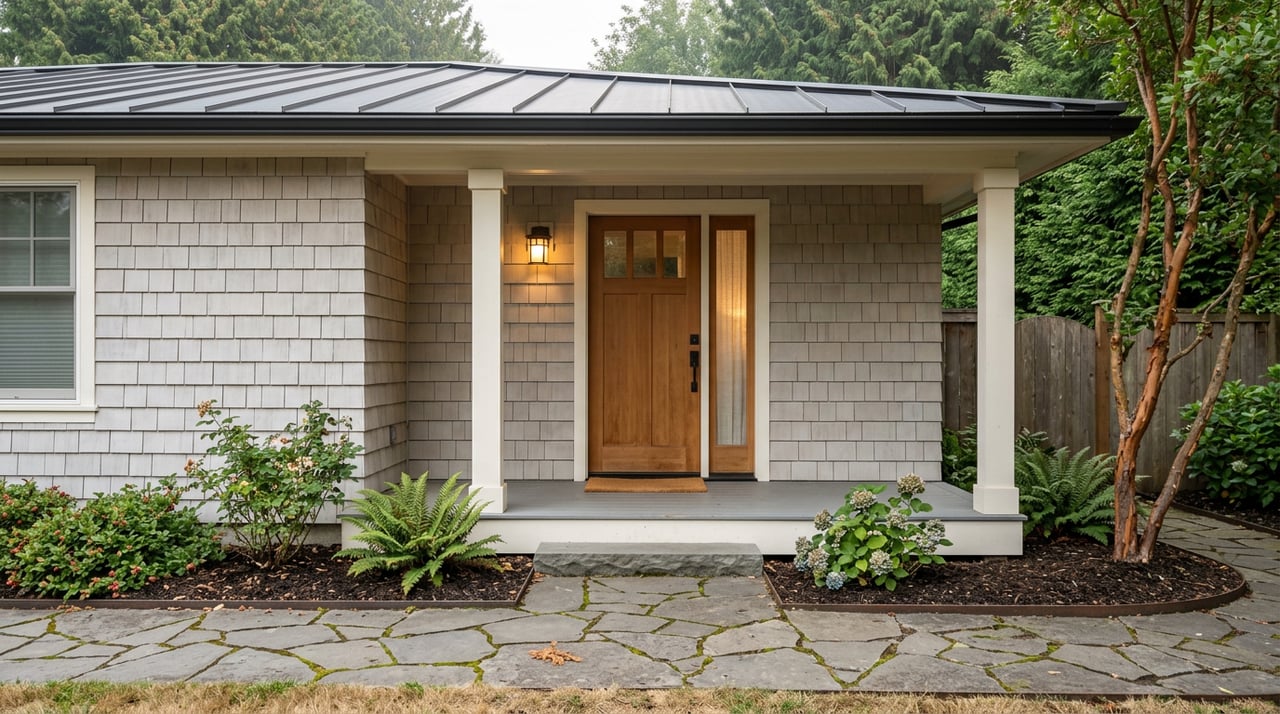
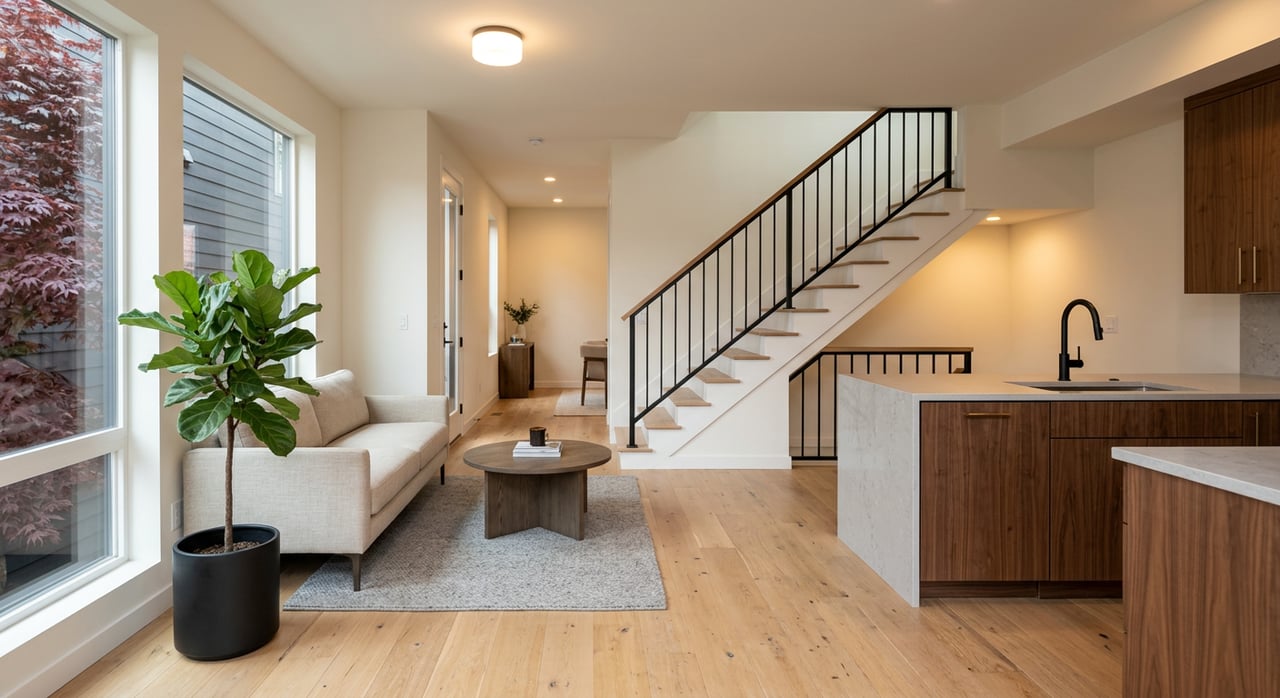
- Townhomes typically offer a multi-level layout with private entrances, more interior square footage per unit, and a house-like feel.
If you want a simple upkeep routine and love being near Ballard’s core amenities, a condo can be a strong fit. If you prefer a private entrance, a garage, or multiple levels, a townhome usually wins.
HOA costs and maintenance
- In condos, the HOA usually covers exterior maintenance, common systems, master insurance, and reserves. Your responsibility focuses on the interior and an HO-6 policy.
- Fee simple townhomes often have lower monthly dues, but you may shoulder more direct responsibility for exterior and roof work. Out-of-pocket capital repairs can fall to owners, so budgets and reserves still matter when an HOA exists.
For either property type, review the HOA’s budget, reserves, and meeting minutes before you commit. Strong reserves and clear maintenance planning reduce surprise assessments.
Financing and resale
- Condos can be harder to finance with FHA or VA loans if the building is not approved, and lenders review owner-occupancy levels, reserves, and any litigation. You can verify building status with the HUD condo lookup tool. Check early to avoid surprises.
- Fee simple townhomes are usually underwritten like single-family homes, which can make conventional and government loans easier. If a townhome is actually in a condo project, condo rules apply. Confirm with title and your lender.
When you plan to sell, clear HOA financials and flexible rental policies can broaden the future buyer pool. Buildings with frequent assessments or litigation can slow loans and limit your options.
Parking and storage
- Many Ballard condos include assigned garage or surface parking, but not all do. Townhomes more often include private garages or driveways. Storage varies widely. Always confirm assigned spaces, guest parking, and storage in the listing and HOA documents.
- Street parking near Ballard’s main corridors can be tight. Some blocks fall under Seattle’s Restricted/Residential Parking Zone rules. Check if your target block uses RPZ permits and how to apply by reviewing the city’s program background and ordinance.
What this means for your budget
Create a side-by-side budget for each property you like. Include:
- Mortgage principal and interest based on your pre-approval.
- Property taxes and homeowner’s insurance.
- HOA dues if applicable, and what those dues cover.
- Utilities and parking costs, including potential RPZ permits if you will rely on street parking.
- A maintenance reserve line item for townhomes if you are responsible for the roof and exterior.
This simple tally keeps the comparison apples to apples and helps you avoid chasing a lower list price that hides higher carrying costs.
Ballard factors that may sway your choice
Parking and RPZ permits
Ballard’s popular retail and dining streets attract visitors, which increases parking demand on nearby blocks. Seattle manages on-street parking in many areas with RPZ permits. Before you rely on street parking, review the city’s permit program and how zones are established in the municipal code. This helps you plan for costs and guest parking.
- Learn more about RPZ rules and the program background by reviewing the Seattle ordinance and program overview from the City Clerk’s site: Seattle’s RPZ ordinance and program background.
Ballard Link Extension timeline
Sound Transit’s Ballard Link Extension is a long-range project that will change future transit access and may shape development near planned stations over time. Treat it as a multi-year influence rather than a near-term factor for most buyers today. If proximity to a future station matters to you, consult the project page for current planning status and schedule updates.
- See planning details on the project page: Ballard Link Extension overview.
Changing HOA rules in Washington
Washington’s Uniform Common Interest Ownership Act is being phased in more broadly, with new requirements that increase standardization and transparency in HOA governance and disclosures. Recent legislation accelerates compliance timelines for many communities, with key effective dates beginning January 1, 2026 and additional retrofits expected by 2028. Review credible guidance so you know what to expect during a purchase.
- Legal client alert summary: Washington WUCIOA compliance update
- Industry overview: WSCAI’s WUCIOA resources
Decision framework: pick your best fit
Use this step-by-step checklist to narrow your options fast.
Step 1: Filter by hard constraints
- Budget that includes mortgage, taxes, HOA dues, insurance, utilities, and parking.
- Must-have features like a garage, bedroom count, private outdoor space, or rental flexibility.
- Financing constraints. If you need FHA or VA, check condo project eligibility early with the HUD condo lookup.
Step 2: Request HOA documents early
Ask for the HOA resale packet as soon as you are serious. Request at least: declaration or CC&Rs, bylaws and rules, current budget and financials, reserve study, 12 to 24 months of board minutes, insurance declarations, resale certificate or estoppel, any special assessments, delinquency report, management contract, and any engineering or building inspection reports. For a clear guide on what to review, use this practical resource: How to review HOA documents.
Step 3: Scan for red flags
- Low reserves compared to the reserve study recommendations.
- Frequent or upcoming special assessments, or large capital projects without clear funding.
- Pending litigation disclosed by the association.
- High delinquency rates or restrictive rental policies that could hurt resale. See more tips in the HOA review guide.
Step 4: Plan targeted inspections
- Condos: Go beyond the unit. Review engineering reports, building envelope history, and records for elevators, mechanical systems, roof, and parking structures. Board minutes are key sources for building-level issues. Use the HOA review guide to help frame questions.
- Fee simple townhomes: Focus on roof, foundation, drainage, shared wall interfaces, garages, and any shared infrastructure. Confirm which exterior items belong to the HOA versus the owner.
Step 5: Lock in financing and contingencies
- Get a pre-approval that states your loan type and confirms it works for the property’s ownership form. For condos, add a loan contingency you can remove only after lender review of the building. Use the HUD condo lookup to confirm project approval for FHA.
- Include an HOA document review contingency and, when warranted, an inspection contingency that covers building envelope items.
10 must-ask HOA questions
Use these questions to understand stability, maintenance plans, and risk. For context and examples, see this HOA review checklist.
- What is the ownership form on title: fee simple or condominium?
- What do monthly dues cover, and what is excluded?
- What are current reserve balances and the recommended funding level from the latest reserve study?
- Are there any planned capital projects in the next 3 years? How will they be funded?
- Are there current or pending special assessments? What amounts and timelines?
- What is the owner-occupancy ratio and the rental policy today?
- Are there any active or threatened lawsuits involving the HOA or the building?
- What are the master insurance policy limits and deductibles? Do they match what the CC&Rs describe?
- What is the delinquency rate on dues, and how is collections handled?
- What changes in rules or dues were discussed in the last 12 months of board minutes?
Quick buyer checklist
- Confirm ownership form on the MLS and deed: fee simple townhome or condominium.
- Request documents: CC&Rs, bylaws, rules, budget, two years of financials, reserve study, 12–24 months of minutes, insurance declarations, resale certificate or estoppel, list of special assessments, owner-occupancy ratio, delinquency percentage. See the full HOA review guide.
- Ask your lender early: Is the project eligible for my loan type? Use the HUD condo lookup for FHA.
- Line up inspections: For condos, get building-level reports when available. For townhomes, focus on structure, moisture, and shared walls.
Common red flags to pause
- Board minutes that repeatedly defer roof, envelope, or major system repairs.
- A pending special assessment without a clear funding plan.
- Master insurance with very high deductibles or coverage gaps compared to the CC&Rs.
- A condo project that is not eligible for your needed loan type, which can slow or block financing. For FHA status, check the HUD condo lookup.
Which should you choose?
If you value the lowest day-to-day upkeep and being in the heart of Ballard’s amenities, a condo often makes the most sense. If you want a private entrance, more interior space, and a garage, a fee simple townhome can be the better fit. In both cases, the smartest first step is to verify ownership form and lending options, then read the HOA’s financials and reserves with care. A few hours of due diligence now can save you from surprises after closing.
When you are ready to compare real listings side by side, get tailored guidance from a local team that listens and helps you move at your pace. Reach out to Donita Dickinson for calm, practical advice on Ballard condos and townhomes, plus a step-by-step plan from search to closing.
FAQs
What is the main difference between a Ballard condo and a townhome?
- Condos usually involve owning the interior with an HOA managing exteriors and amenities, while townhomes are often fee simple and feel more like single-family ownership, though some are legally condos so you must verify the form on title.
How do HOA dues compare between condos and townhomes in Ballard?
- Condo dues often cover exterior maintenance, common systems, and master insurance, while fee simple townhome dues may be lower but you may pay more directly for roof and exterior over time, so review budgets and reserves.
Can I use FHA or VA loans on Ballard condos?
- Possibly, but the condo project must meet lender requirements, and FHA projects must appear on the approval list, which you can check with the HUD condo lookup.
What should I check about parking when buying in Ballard?
- Confirm assigned parking or garage details in the listing and HOA documents, and review Seattle’s RPZ permit rules using the city’s ordinance and program background if you will depend on on-street parking.
Will the Ballard Link Extension affect property values soon?
- The Ballard Link Extension is a long-range project that may influence demand near future stations over time, so treat it as a multi-year factor and follow updates on Sound Transit’s project page.