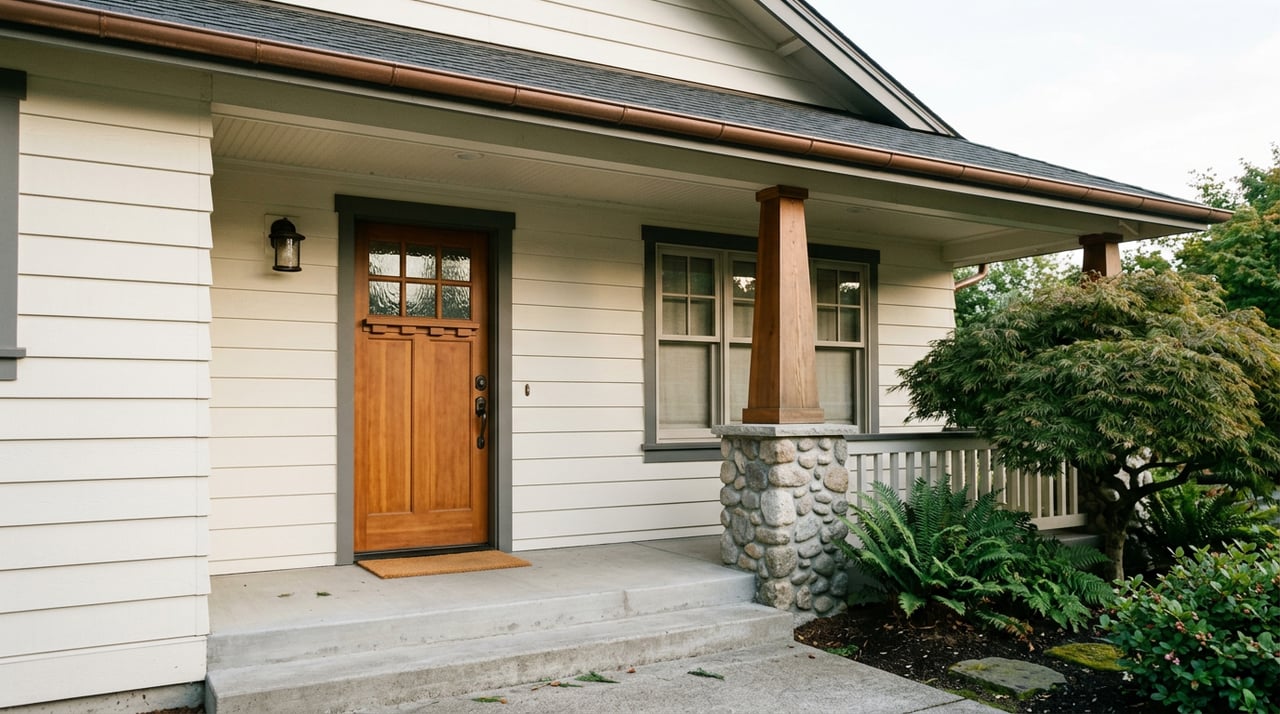
Thinking about selling your Ballard Craftsman and wondering where to start? You love the charm, but you also know buyers expect comfort, efficiency, and confidence in an older home. With a clear plan, you can showcase character, handle key fixes, and hit the market ready to win. In this guide, you’ll learn how to prioritize prep, understand permits and disclosures, and choose updates that move the needle in Ballard. Let’s dive in.
Ballard market at a glance
Ballard’s market rewards homes that are priced to condition. Recent neighborhood snapshots show a median sale price around $850,000 in January 2026, according to Redfin’s Ballard market page. Well‑presented homes tend to attract stronger offers and move faster than those needing major work.
Local coverage has highlighted a split market where move‑in‑ready listings can outperform homes with big mechanical issues. The takeaway is simple: match your price to your home’s condition and invest in the updates that buyers value most.
What Ballard buyers want
Today’s buyers care about location, convenience, outdoor living, and efficient systems. National research shows younger buyers are a large share of the market and look for practical, livable spaces with energy awareness. See the NAR Generational Trends report for context.
When they tour a Craftsman, buyers often respond to:
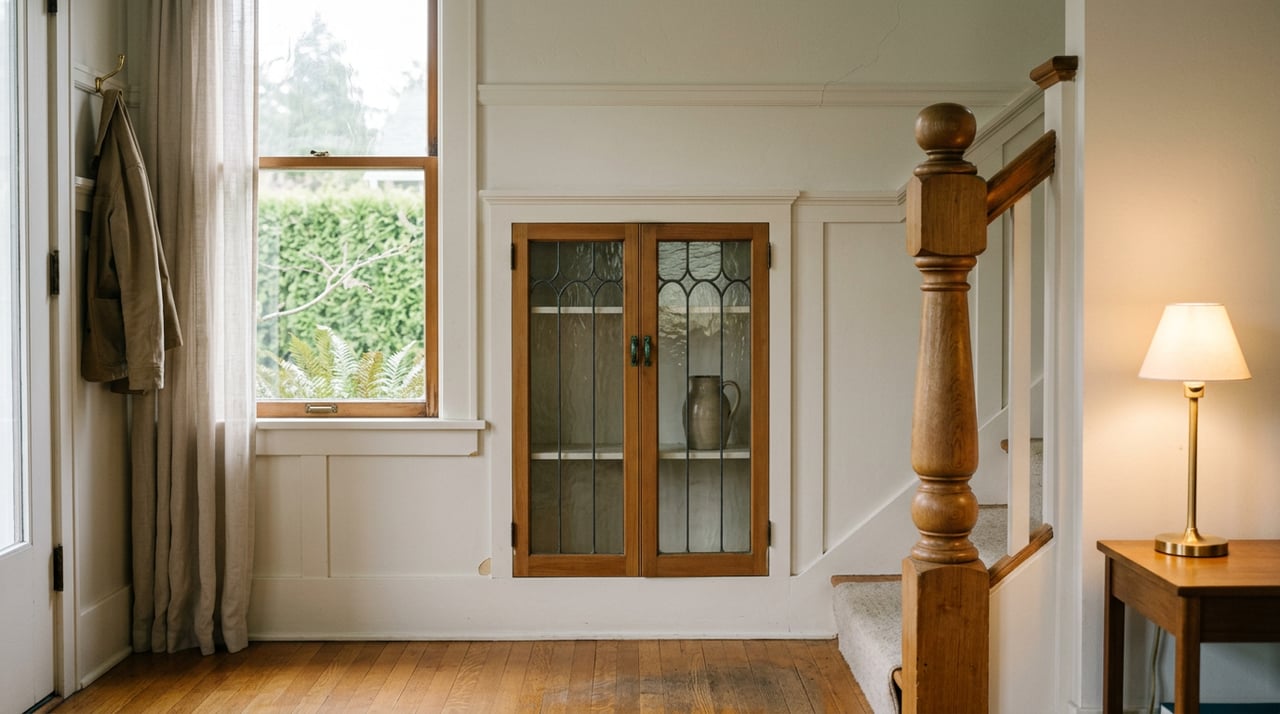
- Original woodwork, built‑ins, and fir floors
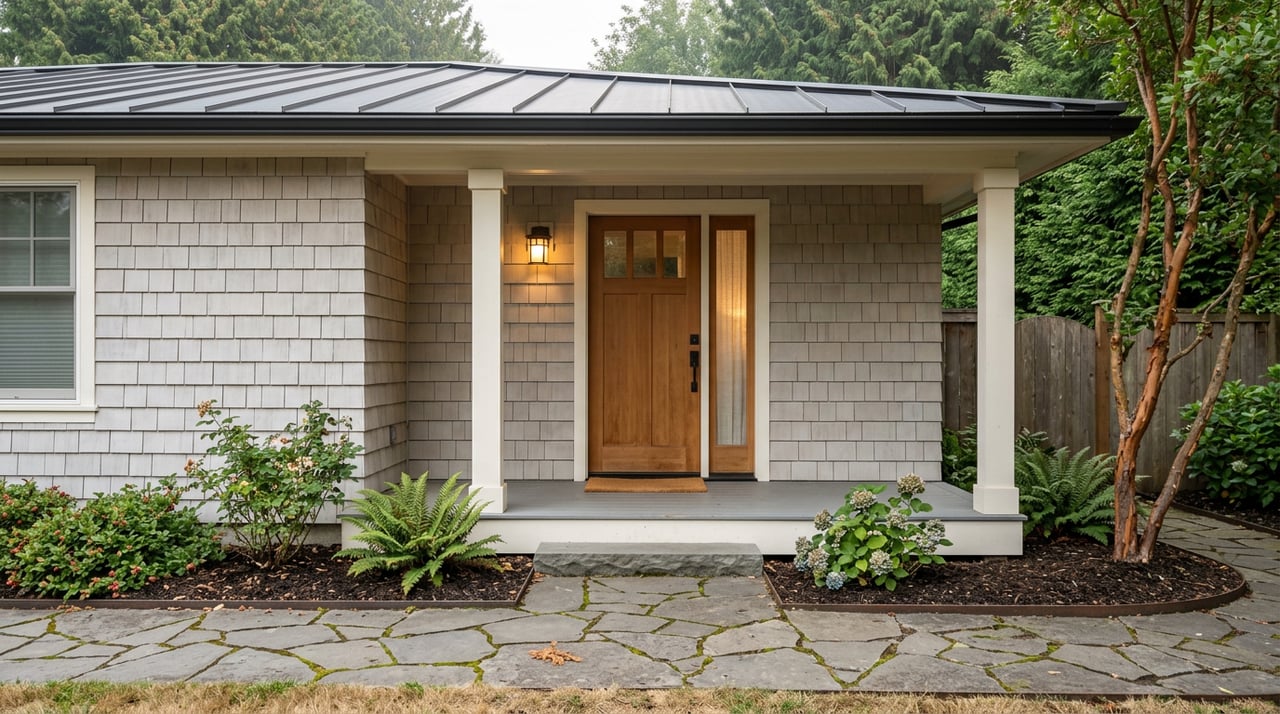
- A welcoming front porch and usable backyard
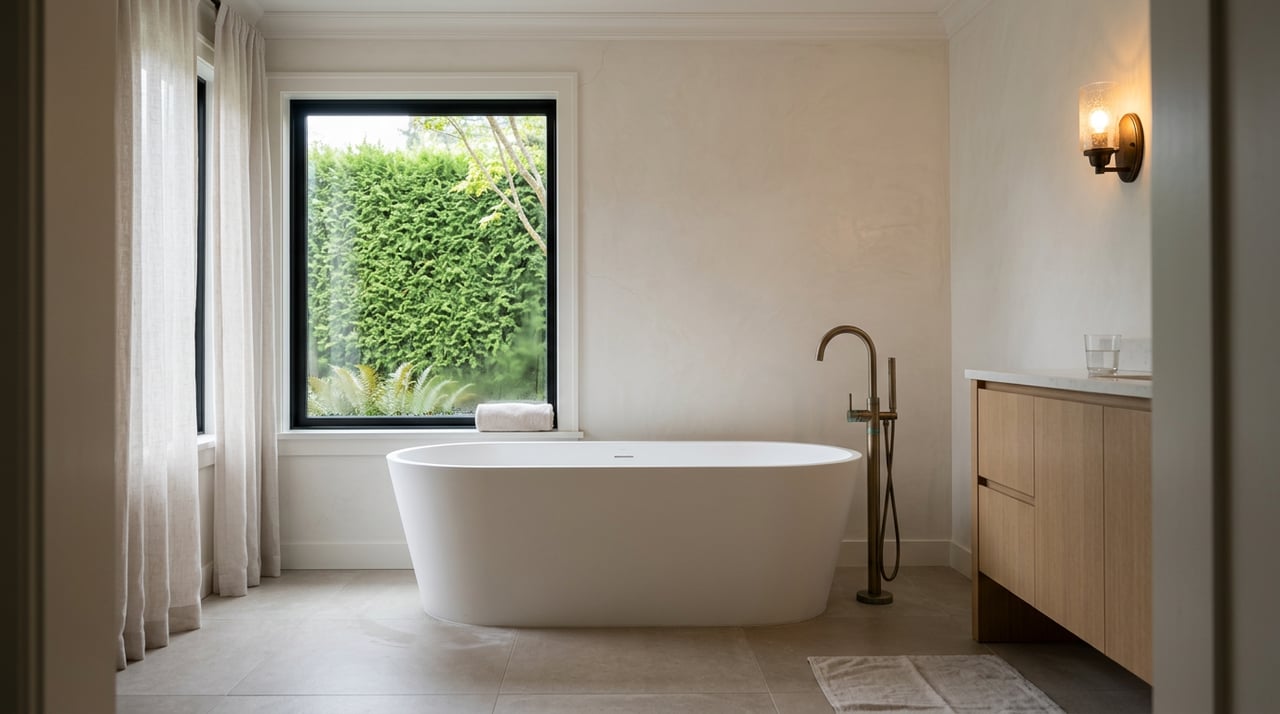
- A functional kitchen and updated bath finishes
- Modern mechanicals and efficiency upgrades that suit the Pacific Northwest climate
Highlight nearby perks like the Ballard Farmers Market, Golden Gardens, the Locks, and Burke‑Gilman Trail access. Location pairs beautifully with Craftsman character.
Set your priorities before listing
Use this order of operations to protect your sale and your budget.
1) Safety and major systems
Start with what could derail a sale: roof leaks, failing sewer lines, unsafe electrical, or serious moisture issues. A targeted pre‑listing inspection can surface the exact items buyers and inspectors will flag. Agents are increasingly recommending this step to prevent canceled contracts, as noted in NAR’s pre‑listing inspection coverage.
2) Curb appeal and weatherproofing
First impressions count. Focus on the porch, steps and railings, clean gutters, and strategic exterior paint touchups where appropriate. National project data indicates exterior projects often have strong payback at resale. Review the latest Cost vs. Value benchmarks when choosing scope.
3) Mechanical upgrades buyers value
If you have an aging furnace or water heater, consider efficient replacements. Heat pumps and heat pump water heaters are popular in Seattle and may qualify for instant discounts or rebates through Seattle City Light and City programs. Explore current offerings on Seattle City Light’s Home Energy Solutions page. These upgrades can improve comfort and strengthen buyer confidence.
4) Kitchens and baths
In a Craftsman, a light‑touch refresh often outperforms a full gut. Think cabinet refacing, fresh counters, updated lighting, and modern fixtures. The regional patterns in Cost vs. Value show that minor kitchen updates and midrange bath projects tend to recoup a larger share than upscale remodels.
5) Presentation and staging
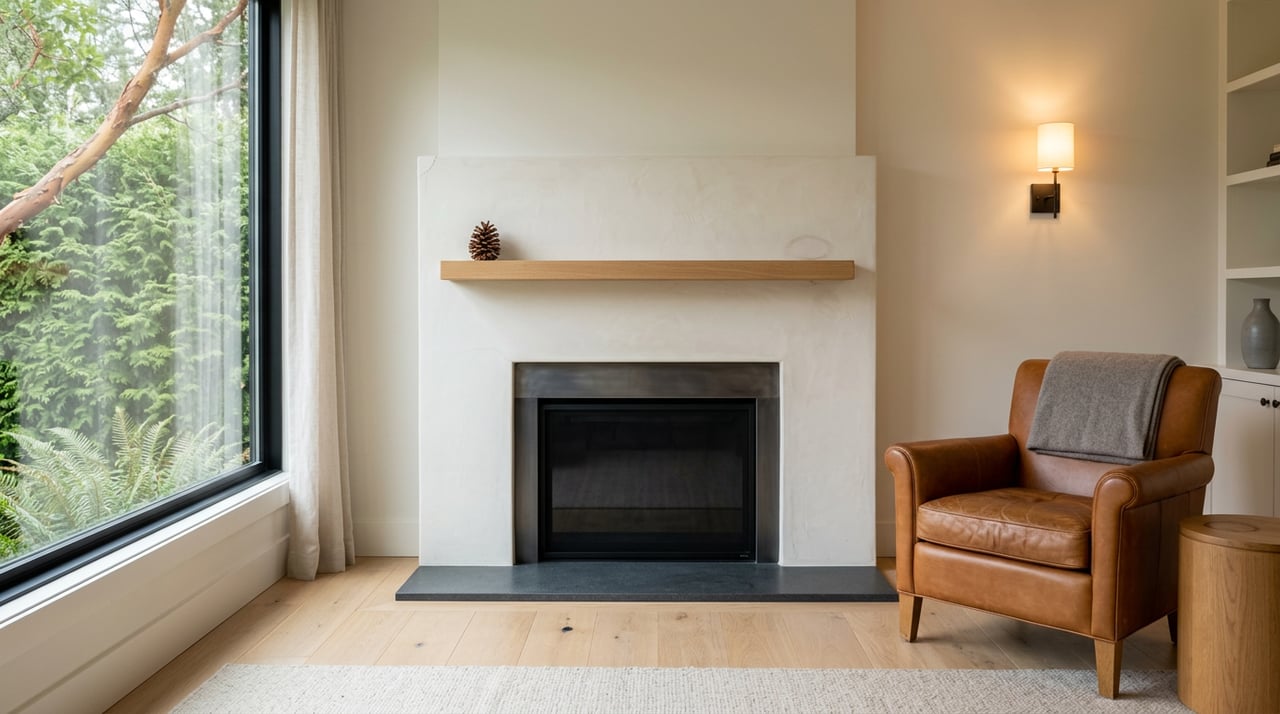
Declutter, deep clean, neutralize wall colors, and preserve original trim whenever possible. Staged homes often sell faster and can see stronger offers. The NAR Profile of Home Staging reports measurable benefits from professional staging and strong visuals.
Showcase your Craftsman’s strengths
Your home’s character is an asset. Lean into:
- Original millwork, built‑ins, and window details
- Fir floors and period hardware
- A livable front porch and inviting entry
If you plan to refinish floors or touch wood trim, prioritize preservation. For inspiration and guidance, browse the Historic Seattle blog. Small, respectful improvements often resonate with Craftsman‑loving buyers.
Common inspection flags in older homes
In Ballard, buyers and inspectors often watch for:
- Aging roofs and clogged or failing gutters
- Old electrical panels or knob‑and‑tube wiring
- Outdated or inefficient heating systems
- Moisture concerns in basements or crawlspaces
A pre‑listing inspection helps you decide what to repair, what to disclose, and how to price. Early clarity reduces surprises and can keep your timeline on track. See NAR’s insights on pre‑listing inspections for added context.
Permits, landmark rules, and disclosures
If your property falls within the Ballard Avenue Landmark District, exterior changes visible from the street may require a Certificate of Approval. Plan extra lead time and coordinate early with the City. Review the district’s guidance on the City of Seattle’s Ballard Avenue Landmark District page.
Washington law also requires sellers to deliver a Seller Disclosure Statement for residential property. Share known material facts, hazards, and environmental issues. Providing clean, complete disclosures builds trust. See RCW 64.06 on the Washington state site for the framework.
Also confirm life‑safety items like smoke and carbon monoxide alarms. Your agent and inspector will help you align with current code and lender expectations.
Pricing strategy and smart ROI
Not every dollar you spend before listing comes back at closing. Focus on projects with consistent payback and buyer appeal. Exterior updates, minor kitchen improvements, and midrange bath refreshes typically perform well, while large additions or luxury‑level remodels often return less than they cost in our area. Use the latest Cost vs. Value data and a local CMA to tailor scope to your comp set.
When major issues exist, you may weigh two approaches: repair now, or disclose and price accordingly. A pre‑listing inspection helps you choose the path that best fits your timeline, risk tolerance, and budget.
Two‑week prep checklist
Use this short sprint to get market‑ready.
- Order a pre‑listing inspection and get repair estimates. See NAR’s guidance on pre‑listing inspections.
- Fix safety and major items first. Pull permits if required and document repairs.
- Curb appeal blitz: power wash, paint touchups where appropriate, clean gutters, tidy beds, set up porch seating. Consult Cost vs. Value for high‑return exterior ideas.
- Interior refresh: neutral paint on walls, preserve or refinish wood floors and trim where possible, repair obvious hardware issues. For sensitive trim, see Historic Seattle’s resources.
- Stage and photograph: book professional photos and set your porch, living room, and primary bedroom. The NAR staging report points to faster sales for staged homes.
- Prepare a digital info packet: Seller Disclosure (RCW 64.06), your pre‑listing inspection report if you choose to share it, recent repair invoices, and permit history. This transparency supports buyer confidence and cleaner negotiations. See RCW 64.06.
Listing and presentation tips
- Lead with character and location. Your first photo should showcase the porch or a sunlit living room with built‑ins. In your headline and captions, pair Craftsman features with nearby amenities like Golden Gardens Park.
- Use professional photography. Include detail shots of trim, floors, and built‑ins. Wide angles should respect proportions and avoid distortion.
- Stage for connection. Make the porch and main living area shine. Share accurate distances to neighborhood favorites in your listing once verified with a map tool.
Energy upgrades and incentives
Seattle buyers appreciate comfort and efficiency. If your home has an older furnace or water heater, a qualified heat pump or heat pump water heater can add value and appeal. Programs through Seattle City Light may offer instant contractor discounts or rebates. Always confirm current terms, contractor participation, and timelines on Seattle City Light’s Home Energy Solutions page.
Ready to sell your Ballard Craftsman?
A thoughtful plan protects your equity and showcases what buyers love most: character, comfort, and confidence. If you want help prioritizing projects, setting the right price, and launching with premium presentation, our boutique team is here to guide you from valuation to closing with clear, calm communication. Reach out to Donita Dickinson to get started.
FAQs
What should I fix first before selling a Ballard Craftsman?
- Start with safety and major systems like roof leaks, electrical hazards, and serious plumbing issues, then move to curb appeal and light interior updates.
Do I need approval to change my exterior in Ballard?
- If your home is within the Ballard Avenue Landmark District, many exterior changes visible from the street require a Certificate of Approval through the City.
Should I replace old windows before listing?
- Not always; weigh comfort, condition, and cost, and prioritize fixes with stronger ROI while preserving original character when possible.
How can Seattle energy rebates help my sale?
- Qualified heat pump and water‑heating upgrades may get instant discounts or rebates, improving comfort and buyer appeal while reducing your out‑of‑pocket costs.
What disclosures are required when selling an older Seattle home?
- Washington requires a Seller Disclosure Statement for residential property; provide known material facts and share reports and permits to build buyer confidence.